

Why Morning Stiffness Happens & How to Ease It Naturally
Waking up feeling stiff, especially in your joints or muscles, is something many people experience—whether occasionally or every day. Morning stiffness can make simple movements like getting out of bed, walking, or bending feel uncomfortable. While it’s often temporary, understanding why it happens and how to manage it can significantly improve your daily comfort and mobility.
🧠 Why Does Morning Stiffness Happen?
1. Reduced Movement During Sleep
When you sleep, your body remains in one position for hours. This lack of movement can cause joints and muscles to become temporarily stiff.
2. Decreased Joint Lubrication
Joints rely on a fluid called synovial fluid for smooth movement. During long periods of inactivity, this lubrication decreases, leading to stiffness upon waking.
3. Poor Blood Circulation
Blood flow slows down during sleep. Reduced circulation can make muscles feel tight and less flexible in the morning.
4. Inflammation or Underlying Conditions
Conditions like arthritis, muscle strain, or past injuries can increase stiffness after rest, especially in the knees, back, and shoulders.
5. Sleeping Position & Mattress Quality
Incorrect posture, poor mattress support, or an unsupportive pillow can strain muscles and joints overnight.
⚠️ When Should You Be Concerned?
- Stiffness lasts more than 30–60 minutes daily
- Severe pain or swelling accompanies stiffness
- Difficulty in performing basic movements
- Symptoms worsen over time
👉 These could indicate underlying issues that may need medical attention.
💡 How to Ease Morning Stiffness
1. Start with Gentle Movements
Before jumping out of bed, try slow movements like stretching your arms, bending your knees, or rotating your ankles.
2. Do Light Stretching
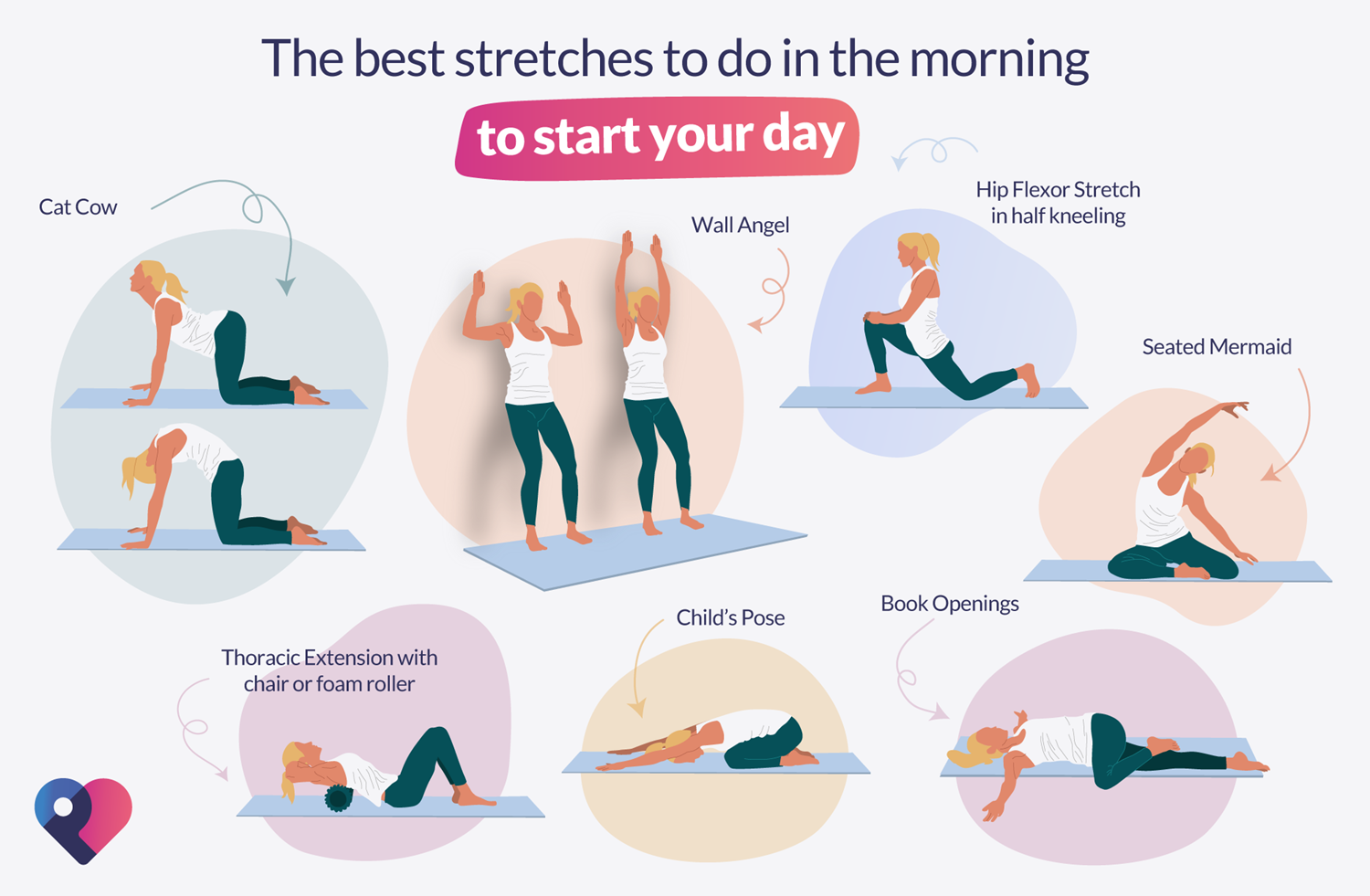


Stretching improves flexibility and wakes up your muscles gradually.
3. Stay Hydrated
Dehydration can worsen stiffness. Drinking water first thing in the morning helps improve muscle function.
4. Take a Warm Shower
Heat relaxes muscles, improves blood flow, and reduces stiffness quickly.
5. Stay Physically Active
Regular exercise keeps joints flexible and reduces long-term stiffness.
6. Use Supportive Aids
Using products like knee supports or compression wear can provide stability, improve circulation, and reduce discomfort—especially for people with joint issues.
7. Improve Sleep Setup
- Use a good mattress
- Maintain proper posture
- Avoid sleeping in awkward positions
🌿 Bonus Tips
- Maintain a healthy weight to reduce joint pressure
- Include anti-inflammatory foods (turmeric, omega-3, leafy greens)
- Avoid long sitting hours during the day