

The Hidden Link Between Fatigue & Muscle Discomfort: What Your Body Is Trying to Tell You
Have you ever felt extremely tired and noticed your muscles aching at the same time? This isn’t a coincidence. Fatigue and muscle discomfort are closely connected, and often, one leads to the other. Whether it’s due to a long workday, intense physical activity, or lack of rest, understanding this link can help you manage both better and improve your overall well-being.
🧠 How Are Fatigue & Muscle Discomfort Connected?
1. Muscle Overuse Leads to Fatigue
When muscles are overworked, they use up energy stores like glycogen. This results in fatigue and causes soreness or discomfort.
2. Lactic Acid Buildup
During intense activity, the body produces lactic acid. Its accumulation can lead to a burning sensation and muscle pain, often accompanied by fatigue.
3. Reduced Oxygen Supply
Fatigue can slow down circulation, meaning muscles don’t get enough oxygen. This can cause tightness, cramps, and discomfort.
4. Inflammation & Micro Tears
Physical exertion creates tiny tears in muscle fibers. As the body repairs them, inflammation occurs—leading to soreness and tiredness.
5. Poor Recovery & Sleep
Lack of proper rest prevents muscles from healing, making fatigue and discomfort worse over time.
⚠️ Common Situations Where This Happens
- Long hours of standing or sitting
- Intense workouts or sudden physical activity
- Poor posture during work
- Stress and lack of sleep
- Medical conditions affecting circulation or muscles
💡 How to Reduce Fatigue & Muscle Discomfort
1. Stay Active (But Balanced)
Avoid both overexertion and inactivity. Light movement improves circulation and reduces stiffness.
2. Stretch Regularly

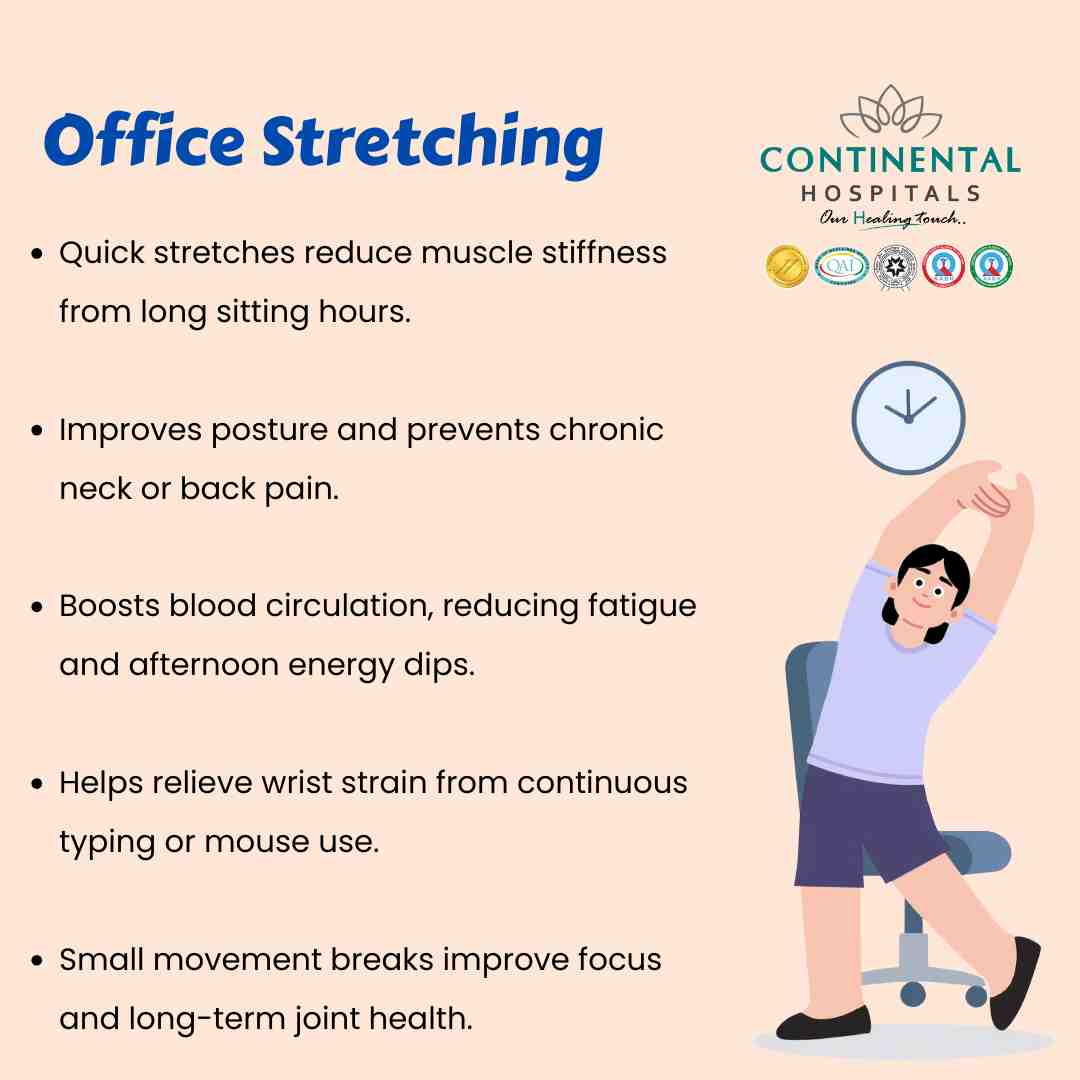

Stretching helps release muscle tension and improves flexibility.
3. Hydration & Nutrition
- Drink enough water
- Include protein for muscle repair
- Add magnesium-rich foods to reduce cramps
4. Improve Blood Circulation
Using compression wear or muscle supports can help enhance circulation and reduce fatigue-related discomfort.
5. Take Proper Rest
Sleep is when your body repairs itself. Aim for 7–8 hours of quality sleep daily.
6. Heat & Cold Therapy
- Heat relaxes muscles
- Cold reduces inflammation
7. Maintain Good Posture
Whether working at a desk or lifting weights, posture plays a major role in preventing muscle strain.
🌿 When to Seek Help
- Persistent fatigue without clear reason
- Severe or long-lasting muscle pain
- Weakness affecting daily activities
👉 These may indicate underlying health conditions and should be evaluated.